

Exercise Bicycle
Add a review FollowOverview
-
Founded Date março 13, 1940
-
Sectors Motorista
-
Posted Jobs 0
-
Viewed 19
Company Description
The Reasons To Work With This Exercising Bike
The Benefits and Types of Exercising Bikes: A Comprehensive Guide
Exercising bikes, often referred to as stationary bicycles or fitness bikes, have ended up being significantly popular in homes and health clubs worldwide. They supply an effective workout option that caters to numerous fitness levels, making them a staple in personal fitness regimes. This post will explore the kinds of stationary bicycle, their benefits, and pointers on picking the ideal one for your needs, all while incorporating beneficial tables, lists, and FAQs to improve your understanding.
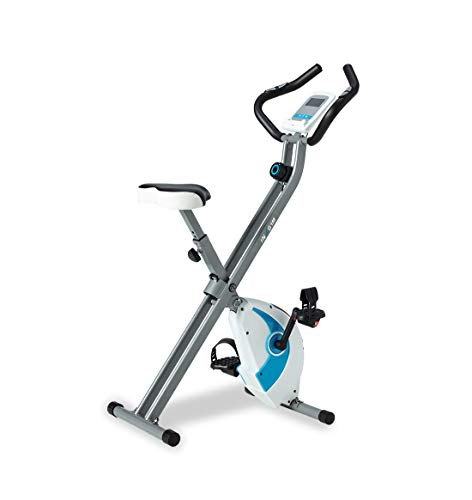
The Types of Exercising Bikes
Stationary bicycle can be found in various designs and designs, each fit for various user choices and fitness objectives. Below is a table summing up the main types of exercising bikes:
| Type of Exercise Bike | Description | Ideal For |
|---|---|---|
| Upright Bike | Looks like a standard bicycle; user sits upright with pedals situated beneath. | Individuals wanting to mimic outdoor biking and engage core muscles. |
| Recumbent Bike | Features a reclining seat and larger back assistance; pedals are positioned in front. | Users with back concerns or those seeking a comfy trip. |
| Spin Bike | Developed for high-intensity exercises with a much heavier flywheel and adjustable resistance. | Fitness enthusiasts thinking about group classes or intense training. |
| Hybrid Bike | Combines functions of upright and recumbent bikes, typically adjustable for user preference. | Those who enjoy variety in their exercises and require ergonomic support. |
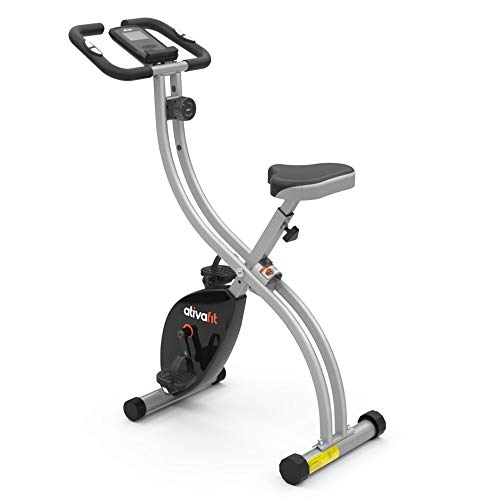
| Collapsible Bike | A compact design that can be folded for easy storage, frequently ideal for small areas. | People with limited space seeking a practical workout option. |
Advantages of Exercising Bikes
Using an exercise bike offers many health benefits that contribute to general wellness. Here are some essential advantages:
-
Cardiovascular Health: Regular usage of stationary bicycle enhances heart health by enhancing circulation and endurance.
-
Weight-loss: Cycling assists burn calories, assisting in weight management. Depending upon intensity and period, a person can burn around 400 to 600 calories per hour on an exercise bike.
-
Low Impact on Joints: Unlike running or high-impact workouts, exercise bikes provide a low-impact option that lowers stress on joints, making them suitable for people with arthritis or joint pain.
-
Benefit: Exercise bikes permit for a flexible exercise schedule, as users can train in the house no matter weather conditions.
-
Adjustable Workouts: Many stationary bicycle come geared up with various resistance levels and workout programs, permitting users to customize their exercises according to fitness objectives.
-
Enhanced Muscle Tone and Strength: Pedaling engages different muscle groups, consisting of the quads, hamstrings, calves, and glutes, promoting muscle development and toning.
Including an Exercise Bike into Your Routine
For those wondering how to efficiently integrate an exercise bike into their fitness technique, think about the following ideas:
-
Set Clear Goals: Define your fitness objectives, be it weight reduction, endurance training, or rehab.
-
Establish a Schedule: Dedicate particular days and times for cycling exercises to develop a constant regimen.
-
Start Slowly: If new to biking, begin with lower strength and slowly increase the period and resistance as fitness levels enhance.
-
Mix It Up: Incorporate interval training by alternating between high-intensity bursts and lower-intensity recovery periods to challenge the body effectively.
-
Monitor Progress: Keep track of improvements in range, speed, and calories burned to maintain inspiration.
Common Mistakes to Avoid
Similar to any fitness program, users need to be mindful of common risks when utilizing stationary bicycle:
-
Poor Posture: Improper body positioning can cause discomfort or injury. Make sure the seat height is changed correctly, and keep good posture while cycling.
-
Overtraining: Listen to your body and avoid extreme cycling that can lead to fatigue or injury.
-
Neglecting Other Exercises: While biking is beneficial, it’s necessary to include strength training and flexibility workouts in overall fitness plans.
-
Overlooking Nutrition: A balanced diet is crucial for gaining the complete benefits of any exercise program.
FAQs About Exercising Bikes
1. How typically should I utilize a stationary bicycle?
For optimal health benefits, aim for at least 150 minutes of moderate aerobic exercise, such as biking, weekly. This can be broken down into sessions of 30 minutes, 5 days a week.
2. Do stationary bicycle assist with weight reduction?
Yes, exercising on a bike can help burn calories and contribute to a calorie deficit vital for weight reduction. Integrated with a healthy diet, it boosts results.
3. Are recumbent bikes much easier to utilize than upright bikes?
Usually, users might find recumbent bikes more comfy due to their assistance and reclined position. However, the choice depends upon individual choices and fitness objectives.
4. Can I view television while utilizing an exercise bike?
Absolutely! Viewing TV or listening to music can make exercises more pleasurable. Make sure that your setup allows presence without jeopardizing your posture.
5. What should I do if my knees harmed while biking?
If you experience knee discomfort, inspect your bike setup for correct adjustments, think about lowering resistance, or seek advice from a doctor if pain continues.
Stationary bicycle use a flexible and reliable way to enhance cardiovascular fitness, burn calories, and remain active. With a range of types and appropriate workout strategies, anybody can find an exercise bike that fits their way of life and requirements. Whether used in a gym or at best home exercise equipment, they provide an exceptional alternative for maintaining a healthy lifestyle, accommodating numerous fitness levels, and integrating quickly into everyday regimens.